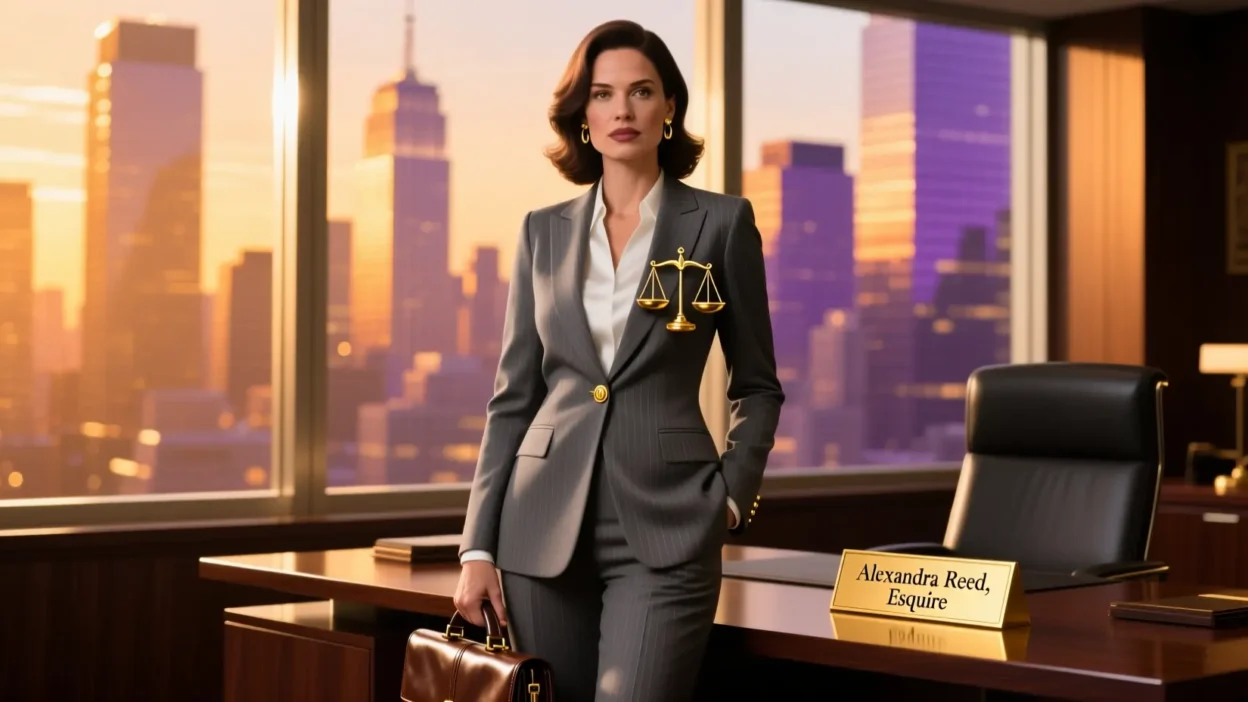
I remember the first time I saw “John Smith, Esq.” at the end of an email.
For a second, I thought it was some fancy royalty title or maybe a character from a medieval show. It looked formal and important—but I had no idea what it actually meant.
If you’ve seen “Esquire” or “Esq.” after someone’s name and felt the same confusion, you’re definitely not alone.
To save you the head-scratching…
Quick Answer: Esquire means “attorney” or “lawyer.” It’s a polite, professional title used after a person’s name to show that they are a licensed lawyer.
🧠What Does Esquire Mean in Text?
In texting, emails, or online profiles, Esquire (often written as “Esq.”) is an honorary title used in the U.S. to indicate that someone is a licensed attorney. You’ll typically see it after someone’s full name, like:
👉 “Sarah Thompson, Esq.”
This signals that the person is legally permitted to practice law.
Example Sentence
“You can contact Michael Reed, Esq. if you need help with your contract.”
In short: Esquire = Esq. = a formal title used for licensed lawyers.
📱Where Is Esquire Commonly Used?
You’ll see Esquire / Esq. most often in:
- Professional emails 📧
- Business cards 💼
- Legal documents 📜
- LinkedIn profiles 👔
- Law firm websites 🌐
- Formal letters ✉️
Tone Level
- Very formal
- Professional
- Never casual
- Not used in everyday texting unless you’re referencing someone’s legal title
💬Examples of Esquire in Conversation
Here are some natural chat-style examples showing how it’s used:
1.
A: do you know a lawyer who can review my lease?
B: yeah, try daniel brooks, esq.
2.
A: who sent the contract?
B: it was signed by laura kim, esquire.
3.
A: is “esq” like doctor or something?
B: kinda, it’s a title for lawyers.
4.
A: should i put “esq” after my name?
B: only if you’re a licensed attorney lol.
5.
A: who wrote the letter?
B: jacob harris, esq. from the firm.
6.
A: why do lawyers use “esquire”?
B: it’s just a professional title, like mr. or ms., but for attorneys.
7.
A: can i call her “Esquire”?
B: not out loud 😂 just in writing after her name.
🕓When to Use and When Not to Use Esquire
✅ When to Use “Esquire”
Use it when you want to:
- Refer to someone who is a licensed attorney
- Sound professional or respectful
- Address lawyers in formal correspondence
- Write legal documents or business contracts
- Sign your name (only if you are a lawyer)
❌ When NOT to Use “Esquire”
Avoid it when:
- Messaging someone casually
- You’re unsure if the person is licensed
- Talking to lawyers verbally (the title is not spoken)
- Communicating in urgent or emotional scenarios
- Referring to yourself in casual text or social media
Comparison Table
| Context | Example Phrase | Why It Works |
|---|---|---|
| Friend Chat | “ask james, he’s a lawyer” | Casual & friendly |
| Work Chat | “Please review with Anna Lee, Esq.” | Professional & respectful |
| “Attached is a letter from John Carter, Esquire.” | Formal & clear | |
| Legal Letter | “Prepared by: Maria Lopez, Esq.” | Required for legal identification |
🔄Similar Slang Words or Alternatives
Here are a few alternative terms people use depending on the situation:
| Term / Slang | Meaning | When to Use |
|---|---|---|
| Atty. | Abbreviation for attorney | Professional but less formal than “Esq.” |
| Lawyer | General term for someone practicing law | Everyday conversation |
| Counsel | Formal term for legal advisor | Corporate or legal communications |
| JD | Stands for Juris Doctor (law degree) | When referring to someone educated in law but not necessarily licensed |
| Barrister | Lawyer who represents clients in court (UK) | UK-specific context |
| Solicitor | Legal advisor who prepares cases (UK) | UK legal settings |
❓FAQs
1. Is Esquire the same as a lawyer?
Yes—Esquire refers to someone who is a licensed attorney in the U.S.
2. Should Esquire be written before or after the name?
Always after, like this: “Rachel Green, Esq.”
3. Do women use “Esquire” too?
Yes, the title is gender-neutral.
4. Can you call someone “Esquire” out loud?
Not typically. It’s a written title only.
5. Can you put “Esquire” after your name if you’re a law student?
No. Only licensed attorneys can use it.
6. Is it used internationally?
Mostly in the United States. Other countries have different legal titles.
7. Is it ever used casually in texting?
Rarely. It’s almost always used in formal or professional contexts.