
When you think of nature, it’s full of surprises.
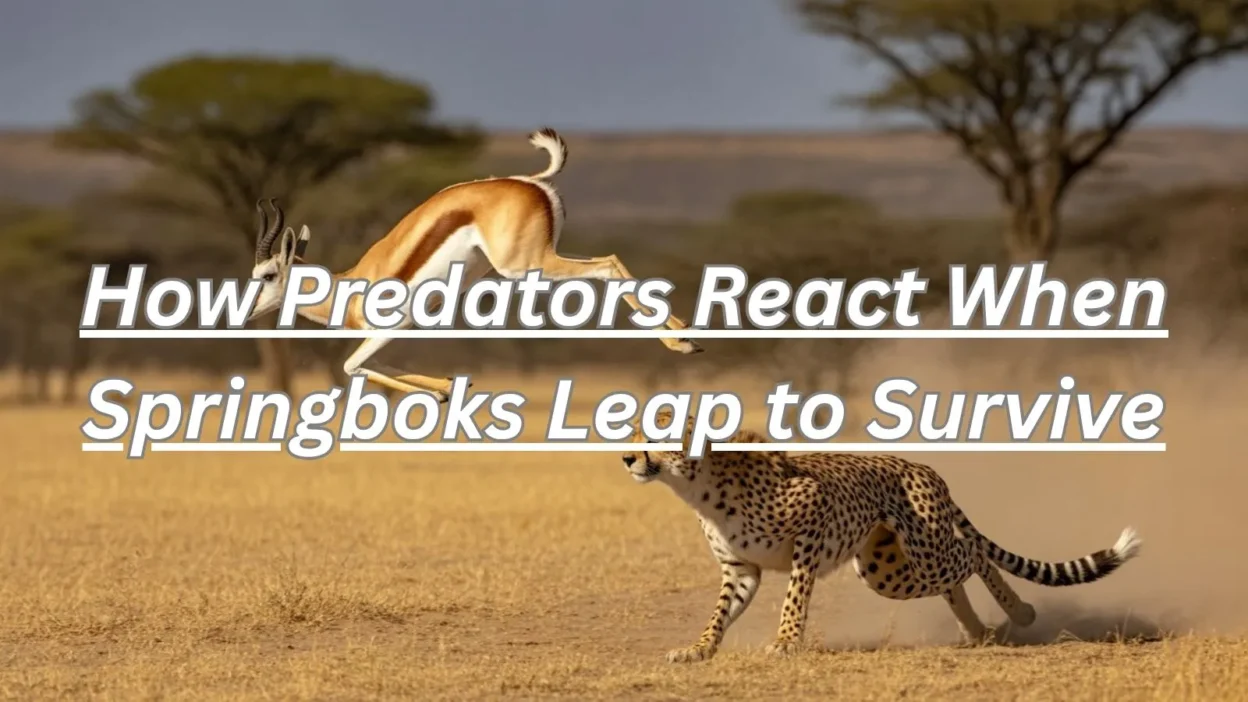
The springbok — a graceful and fast antelope — has a unique way of defending itself called pronking or stotting.
It jumps high into the air, signaling to predators that it’s strong and alert.
But how might a predator respond to such a display?
There are many ways to describe that reaction — some clever, cautious, or downright impressed!
Let’s explore 220 different ways to express how a predator might respond to this fascinating defense mechanism.
🦁 1. Ways to Say the Predator is Surprised

- Taken aback by the unexpected jump
- Momentarily stunned by the display
- Pauses in disbelief at the leap
- Freezes, unsure of what just happened
- Blinks rapidly in confusion
- Steps back in shock
- Tilts its head in surprise
- Widens its eyes in awe
- Growls uncertainly, puzzled by the move
- Circles cautiously to reassess
- Loses focus for a moment
- Stares in silent amazement
- Hesitates before making the next move
- Stops mid-chase to observe
- Lifts its head in confusion
- Watches the jump with surprise
- Flicks its tail nervously
- Sniffs the air, uncertain
- Turns away to think
- Growls softly, still bewildered
🐆 2. Ways to Say the Predator is Intimidated
- Steps back in caution
- Reconsiders the chase
- Feels unsure about attacking
- Slows down to rethink
- Narrows its eyes, sensing strength
- Moves cautiously closer
- Licks its lips nervously
- Decides to wait and watch
- Crouches low, uncertain of success
- Feels the pressure of the challenge
- Watches with growing hesitation
- Realizes the prey might be too fit
- Starts to second-guess the hunt
- Chooses to hold back
- Retreats slightly to observe
- Feels the odds turning
- Shakes its head in uncertainty
- Lowers its tail in doubt
- Turns away briefly
- Begins to look for easier prey
🦊 3. Ways to Say the Predator is Impressed

- Observes the springbok with respect
- Acknowledges the skillful move
- Lets out a soft growl of admiration
- Watches closely, learning the pattern
- Feels a spark of curiosity
- Thinks twice before chasing again
- Raises its ears in interest
- Smiles inwardly at the challenge
- Circles with appreciation for the display
- Feels inspired by the quickness
- Recognizes true agility
- Waits patiently, studying the movement
- Admits silently that the springbok is clever
- Enjoys the thrill of the chase
- Wags its tail slightly in excitement
- Takes a moment to admire the jump
- Feels the energy in the air
- Realizes this prey is not ordinary
- Watches like a student learning from a master
- Considers the springbok worthy of respect
🐅 4. Ways to Say the Predator is Frustrated
- Growls in irritation
- Scratches the ground angrily
- Huffs in annoyance
- Paces back and forth
- Snaps its jaws in frustration
- Lets out a deep sigh
- Flicks its tail impatiently
- Growls louder than before
- Tries to hide its anger
- Bares its teeth in fury
- Stomps the ground
- Snarls and turns away
- Glares at the leaping prey
- Feels its patience fading
- Roars in disappointment
- Curls its lips in disgust
- Pants heavily with rage
- Lowers its head in defeat
- Shakes its mane in irritation
- Decides to abandon the chase
🐯 5. Ways to Say the Predator is Curious

- Tilts its head thoughtfully
- Watches the leap closely
- Studies the prey’s movements
- Wonders what the jump means
- Moves closer to investigate
- Sniffs the ground for clues
- Tests the springbok’s reaction
- Waits quietly to see what happens next
- Circles slowly with interest
- Observes from a safe distance
- Raises its ears in alertness
- Flicks its tongue to sense the air
- Takes a cautious step forward
- Squints at the display
- Tries to mimic the motion in its mind
- Whispers to itself in thought
- Ponders the purpose of the leap
- Keeps its focus steady
- Watches without aggression
- Feels intrigued by the behavior
🐻 6. Ways to Say the Predator is Calculating
- Assesses the distance carefully
- Plans the next move
- Measures the springbok’s energy
- Strategizes silently
- Watches with tactical focus
- Waits for the perfect moment
- Times its next pounce
- Studies the landing spots
- Calculates risk versus reward
- Looks for a weakness
- Remains still, thinking ahead
- Weighs its options
- Keeps its claws ready
- Stays patient, not impulsive
- Analyzes the springbok’s rhythm
- Watches for a misstep
- Anticipates the next jump
- Keeps breathing slow and steady
- Focuses on the opportunity
- Thinks three moves ahead
🐺 7. Ways to Say the Predator is Reluctant
- Holds back from attacking
- Steps away slowly
- Feels unsure about continuing
- Sighs and pauses
- Turns its head away
- Retreats slightly
- Avoids making a quick move
- Crouches low, indecisive
- Feels the effort isn’t worth it
- Licks its paw thoughtfully
- Watches the prey escape
- Keeps its distance
- Chooses to let it go
- Decides not to waste energy
- Waits for an easier target
- Gives up the chase calmly
- Walks away without regret
- Lowers its tail in surrender
- Looks around for other chances
- Accepts defeat gracefully
🐾 8. Ways to Say the Predator is Determined
- Tightens its focus
- Pushes forward despite the jumps
- Growls with resolve
- Narrows its eyes with intent
- Speeds up the chase
- Locks onto the prey
- Refuses to be outsmarted
- Moves faster with purpose
- Breathes heavily but stays on track
- Keeps watching every leap
- Finds new ways to corner the prey
- Adjusts its path
- Refuses to give up
- Shows persistence with every stride
- Leaps forward in full pursuit
- Trusts its instincts
- Aims to outlast the springbok
- Fights fatigue with willpower
- Keeps its claws ready for action
- Ends the chase with determination
🦓 9. Ways to Say the Predator is Confused
- Stops mid-stride, unsure
- Tilts its head again
- Looks from side to side
- Loses track of the prey
- Stares blankly at the horizon
- Turns in circles
- Flicks its ears in confusion
- Blinks repeatedly
- Growls uncertainly
- Steps backward
- Looks around for help
- Sniffs the air with doubt
- Wonders where the springbok went
- Feels lost for a moment
- Scratches its head
- Misses the next move
- Frowns in puzzlement
- Remains motionless, thinking
- Tries to figure it out
- Stares at the ground, defeated
🦒 10. Ways to Say the Predator is Impressed Yet Defeated
- Watches the springbok vanish into the distance
- Smiles slightly in admiration
- Acknowledges the prey’s brilliance
- Accepts the outcome peacefully
- Shakes its head with respect
- Turns away, still in awe
- Feels proud to have tried
- Learns a new lesson in nature’s game
- Walks off with quiet dignity
- Looks back one last time
- Grins knowingly
- Lets out a final growl of respect
- Realizes strength alone isn’t enough
- Feels humbled by the encounter
- Understands the beauty of the chase
- Learns patience through defeat
- Honors the prey’s cleverness
- Leaves with wisdom, not regret
- Feels inspired for next time
- Moves on to new horizons
Conclusion:
Nature tells stories of survival, intelligence, and balance.
The springbok’s graceful defense reminds predators — and us — that power alone doesn’t always win;
sometimes, it’s agility and awareness that prevail.